Pay Prototyping
What principal–agent agreements reveal about wage design
Free $250K+ agreement templates drafted to close wage gaps across gender, race, class, and education.
Learn more ›Nonprofit risk design practice
WhyteRock Risk models how risk is designed, transferred, incentivized, and unintentionally embedded across an organization and its supply chain, then rebuilds those structures toward economic parity.
› Read the practice briefInteractive · Basic risk model
Set your organizational age and operating field, then move each gauge. The liability field re-forms as you go — the further a face pushes out, the more risk that structure is producing. Every reading is then resolved along the full range of volatile, uncertain, complex, and ambiguous risk, so you can see not only how much risk you are manufacturing but what kind it is — and what each kind actually responds to.
Filter · Company age
Filter · Operating field
Survey · Liability gauges
Wage bands are undocumented or vary by gender, race, class, or education.
Decision rights and board oversight are informal or held by one person.
A single vendor, funder, or partner would halt delivery if lost.
Leadership and staff work from different versions of the same numbers.
Rewards track output that nobody re-checks against mission outcomes.
Critical processes live in one person's head or inbox.
Liability field
Weighted for start-up · 0–3 yrs
78
Manufactured risk is high
Risk character · V-U-C-A range
Dominant: Uncertain
The same score behaves differently depending on what kind of risk produces it. This resolves your reading across the range and names the counter-move each kind responds to.
The condition is known but swings fast and without warning.
Cause is legible, outcome is not — the next state can't be forecast.
Too many interacting parts for any single owner to hold.
The rules themselves are contested — nobody agrees what counts.
Nudge to action
01 · Pay parity
91%Publish internal wage bands and re-draft principal–agent agreements against a parity target.
02 · Knowledge concentration
90%Document the three processes that would stall first, then cross-train a second owner.
03 · Supply chain
79%Map your top five dependencies and hold a second option for every critical node.
04 · Governance design
47%Write down who decides what, at what threshold, and ratify it at the next board cycle.
05 · Incentive alignment
35%Attach one outcome measure to every incentive, and audit it twice a year.
06 · Information flow
32%Create one shared source of record and a fixed reporting cadence around it.
Next step
Quarterly findings, agreement templates, and the audit notes behind this model.
Or write directly to ask@whyterock.co with the word Journal.
Pay Prototyping
Free $250K+ agreement templates drafted to close wage gaps across gender, race, class, and education.
Learn more ›Supply chain
A full-spectrum reading of dependency, information flow, and incentive across the whole chain.
Learn more ›Quarterly review — Q3
Findings from the double-blind Internal Review Board audit on governance and decision rights.
Learn more ›4
Organizational domains studied
4 yr
Longitudinal study period
4×
Double-blind audits per year
$250K+
Agreement templates released free
01
Principal–agent agreements drafted to eliminate wage gaps across gender, race, class, and education toward parity.
02
Organizational risk read through a full-spectrum supply chain lens rather than isolated departments.
03
Boards, oversight, and decision rights modeled as risk-producing structures, not administrative overhead.
04
Longitudinal study of how risk is designed, transferred, incentivized, or unintentionally embedded.
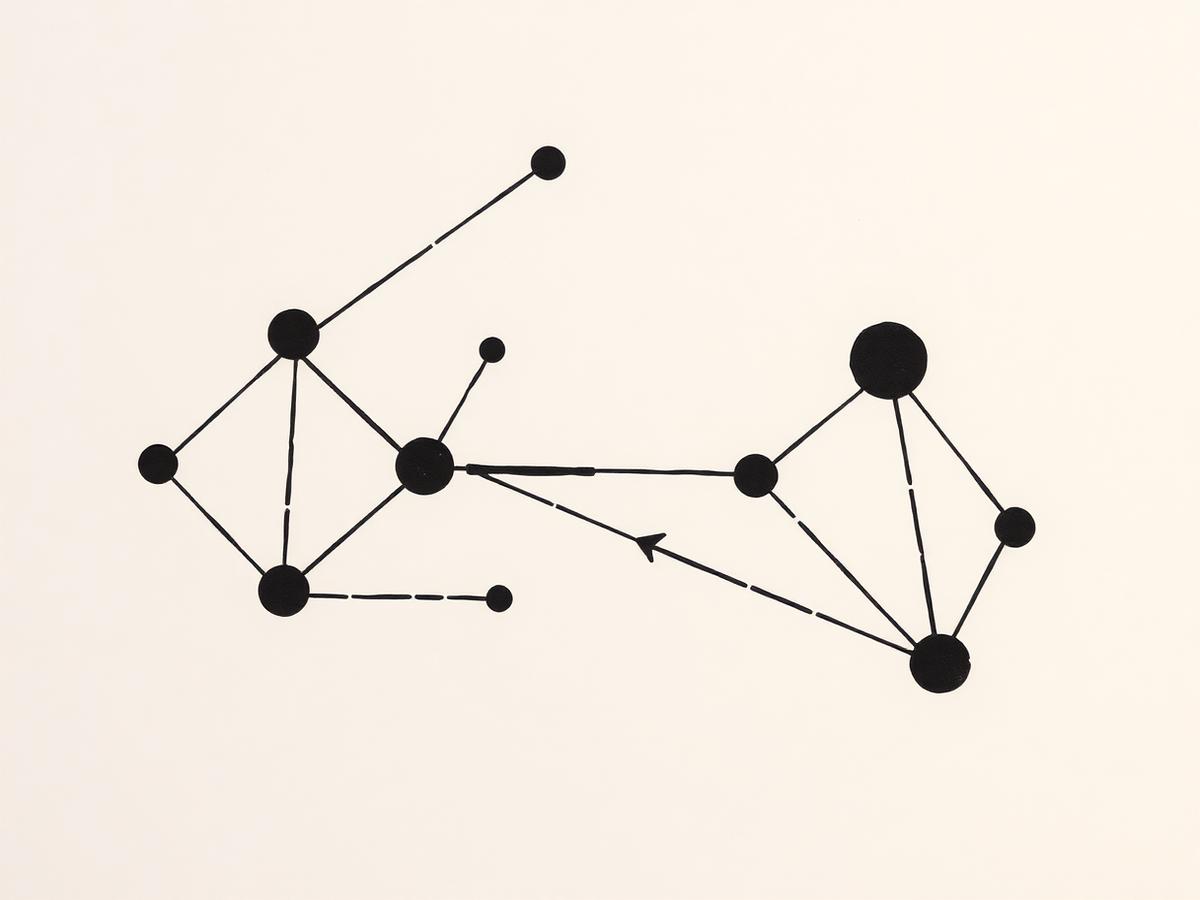
Full-spectrum supply chain
Rather than treating departments or functions in isolation, the practice weighs the entire chain — where dependency, information, and incentive meet.
Our central question
“How is risk being designed, transferred, incentivized, or unintentionally embedded throughout the organization and its supply chain?”
Every city, institution, and chain of custody runs on the same thing: connections nobody drew on purpose. Risk design makes that structure visible.
Frequently asked